


Industrial Pollution Control Approvals & Environmental Compliance Framework in India
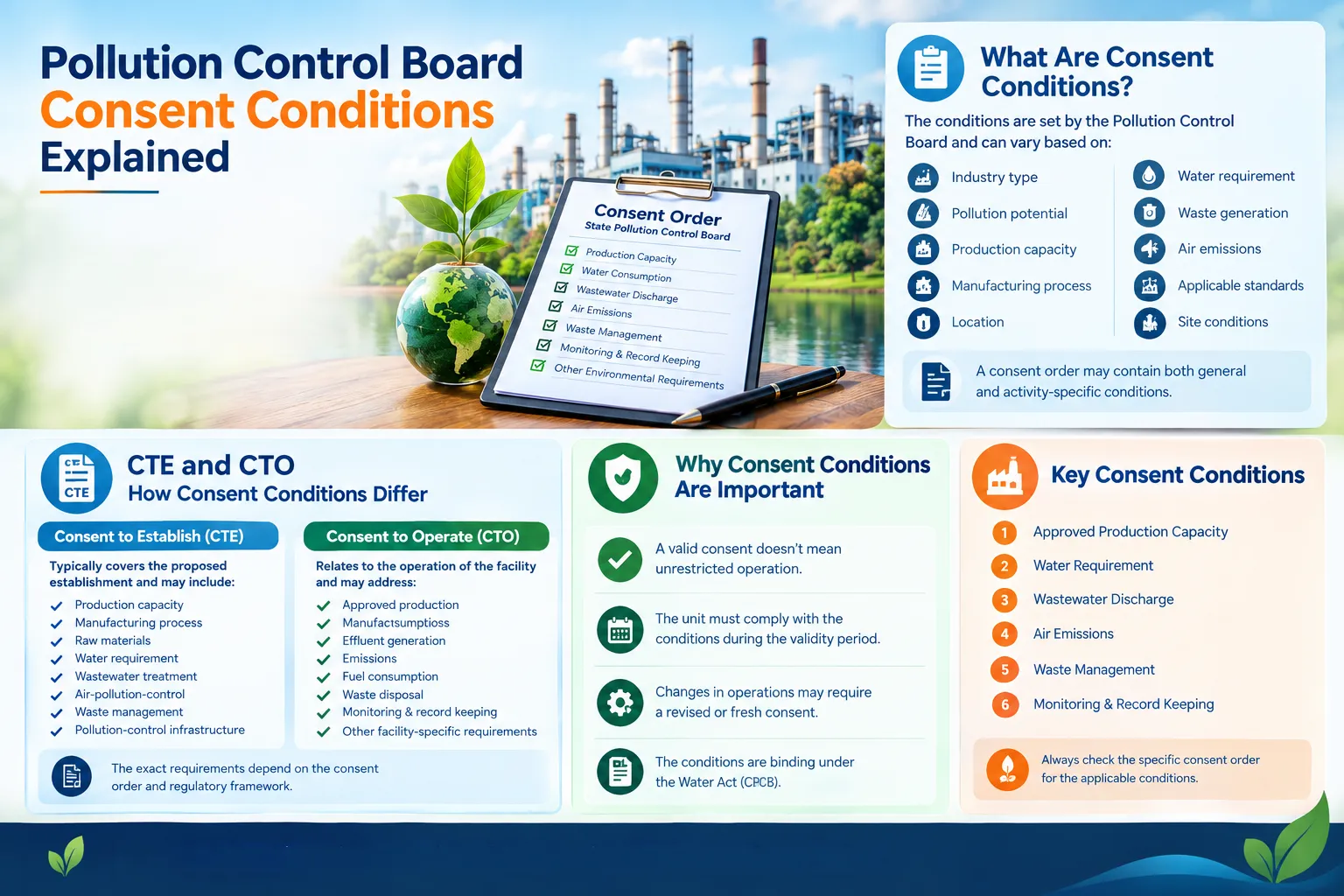
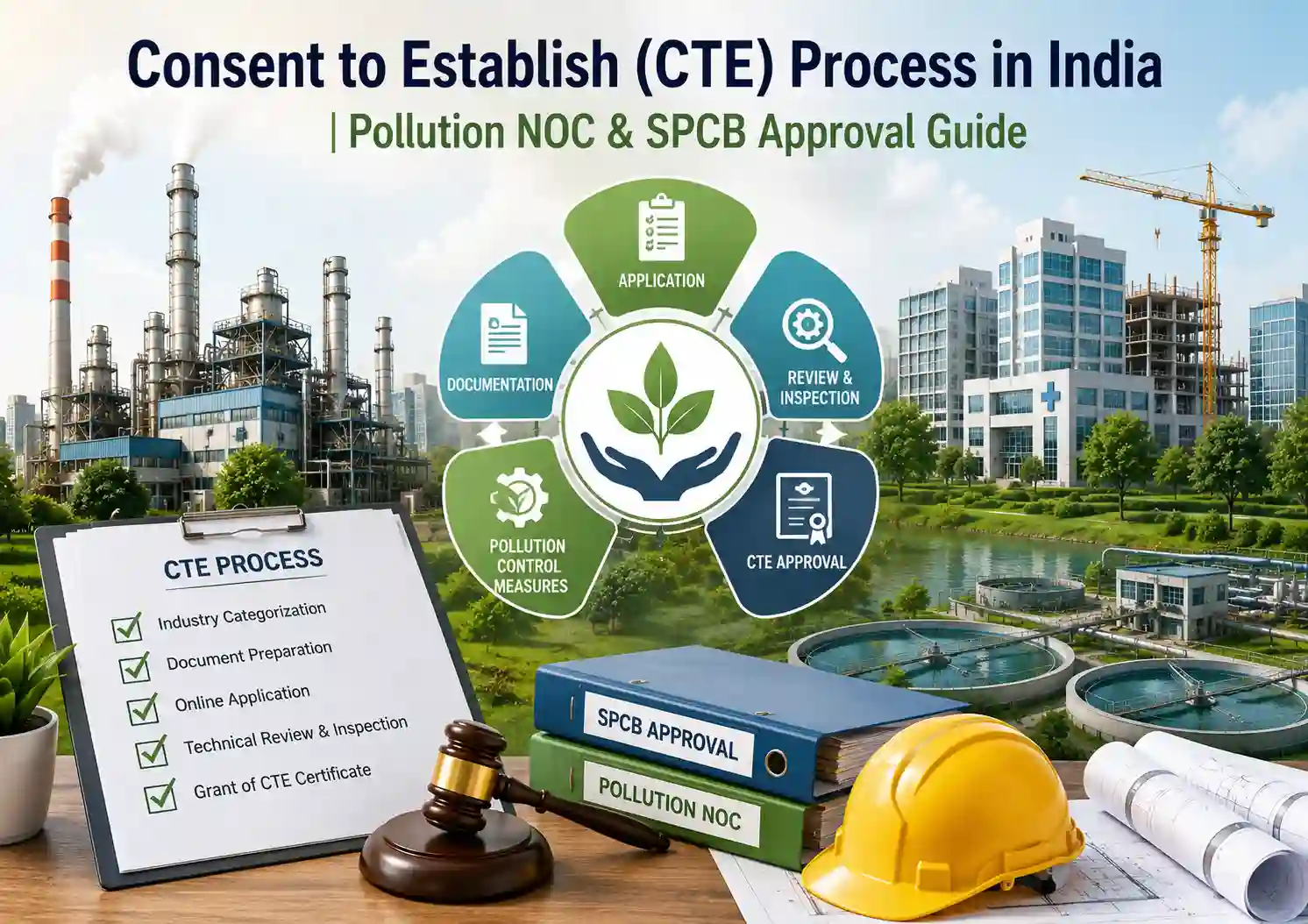
Industries, commercial establishments, infrastructure projects, healthcare facilities, hotels, and manufacturing units may require pollution control approvals such as Consent to Establish (CTE), Consent to Operate (CTO), and compliance with wastewater treatment and emission standards.
This section covers pollution control approvals, pollution NOC requirements, STP and ETP systems, effluent standards, and environmental compliance obligations applicable across India.
Objectives of Pollution Control Approvals in India
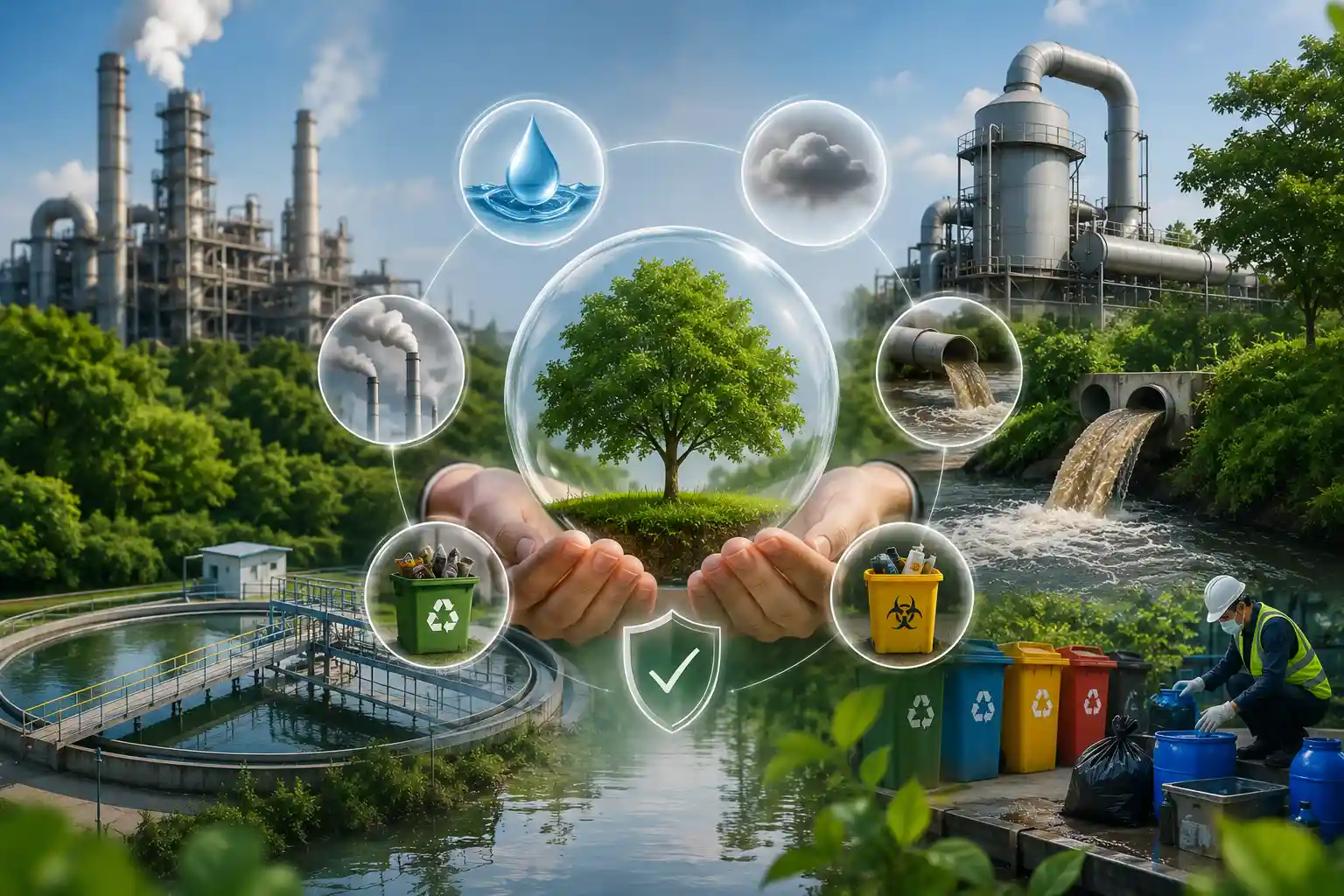
Pollution control approvals are governed through environmental regulations and consent mechanisms designed to control:
Water pollution
Air pollution
Industrial emissions
Effluent discharge
Hazardous waste generation
Pollution control compliance helps industries operate within prescribed environmental standards and regulatory conditions.
Pollution Control Compliance Library
Industries Commonly Requiring Pollution Control Approval
Pollution control approvals may be required for:
Manufacturing industries
Food processing units
Pharmaceuticals
Hotels and commercial projects
Construction projects
Hospitals and healthcare facilities
Chemical industries
Infrastructure projects
Requirement depends on pollution potential and industry classification.
Importance of STP & ETP Systems
Pollution control systems help industries comply with environmental norms and discharge standards.
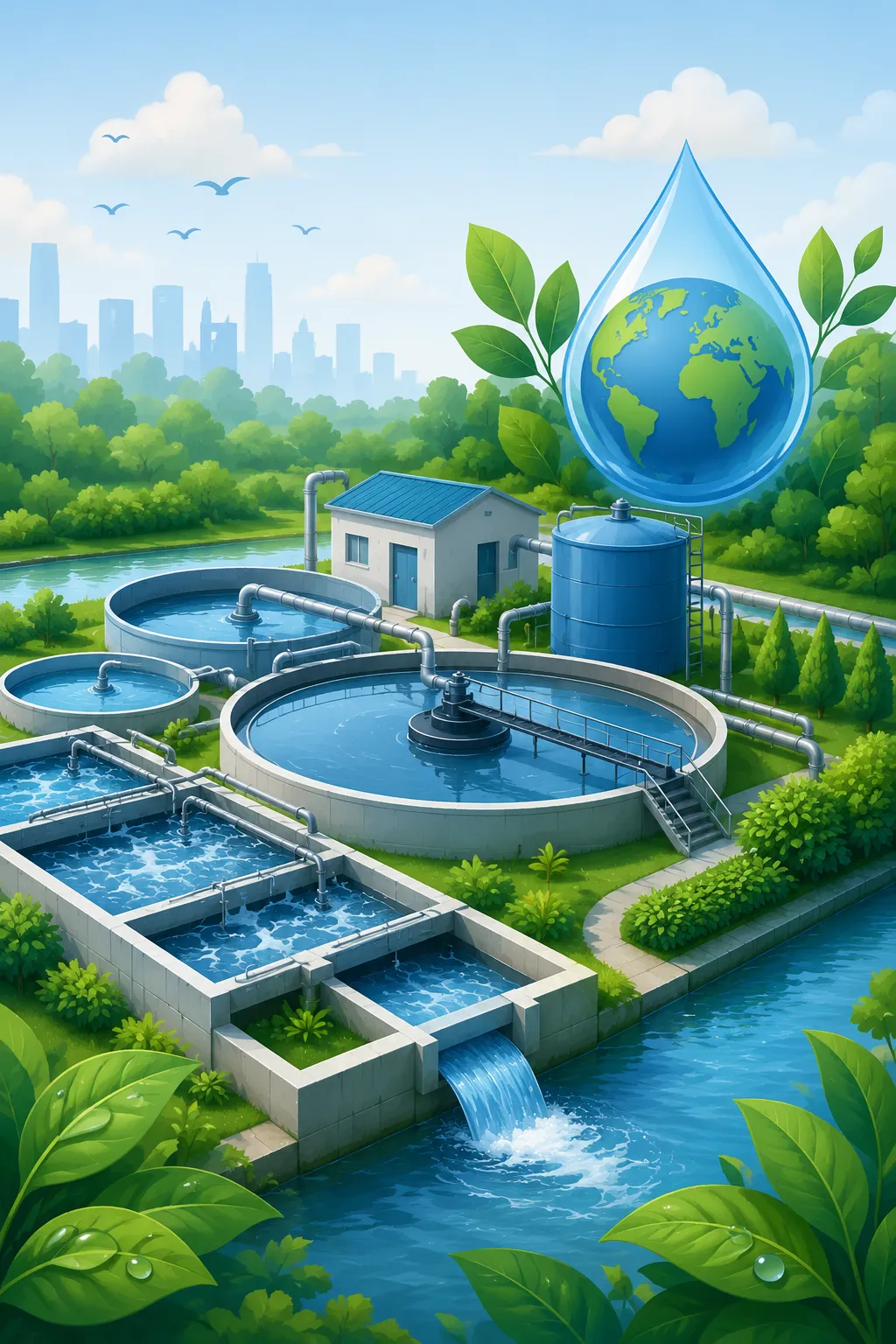
Sewage Treatment Plant (STP)
STPs treat domestic wastewater generated from residential, commercial, and institutional projects.
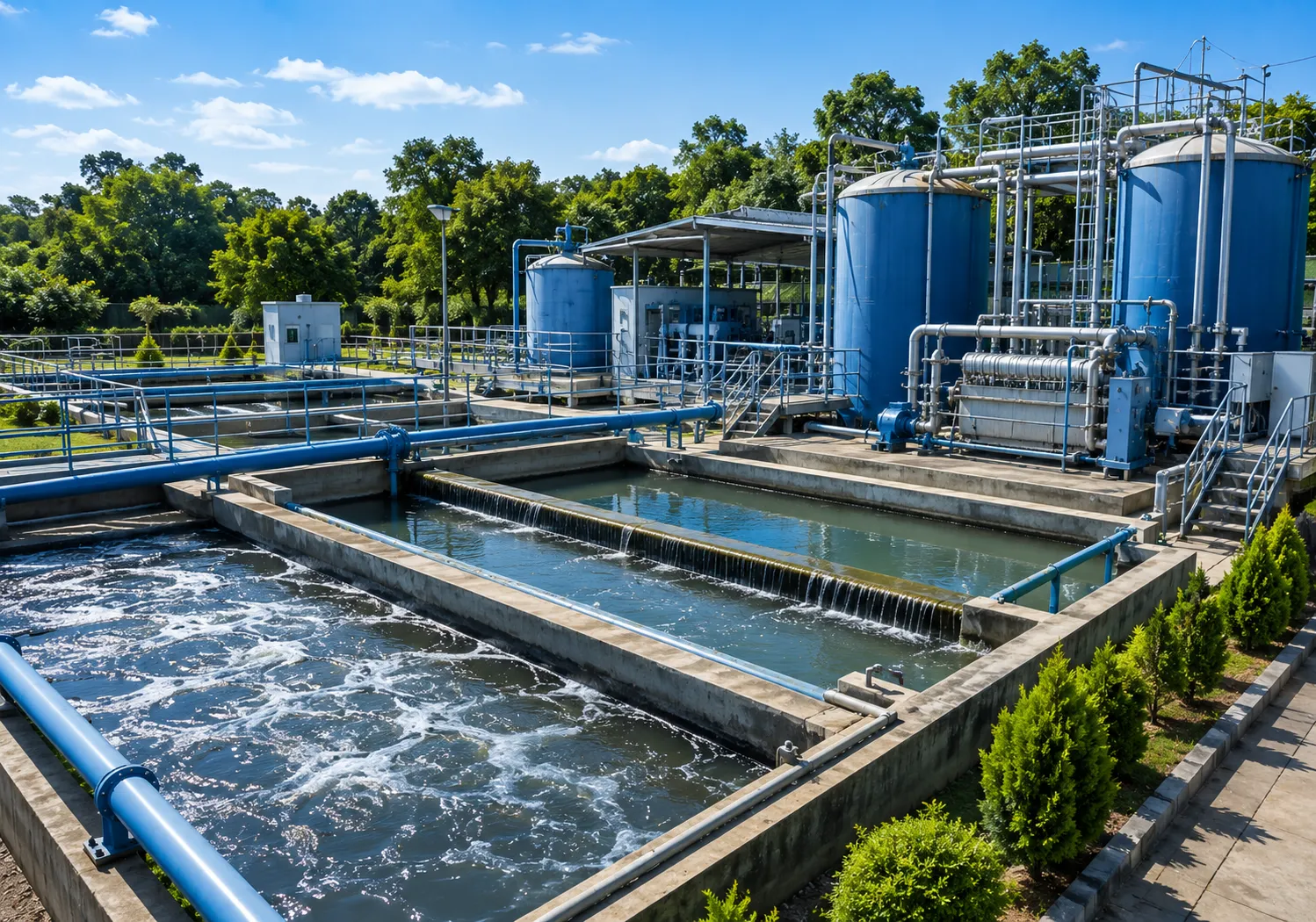
Effluent Treatment Plant (ETP)
ETPs treat industrial wastewater before discharge or reuse.
Proper operation of STP and ETP systems is critical for maintaining environmental compliance.
Common Documents Required for Pollution Control Approval
Typical documents include:
- Site layout plan
- Manufacturing process details
- Water balance study
- Land documents
- Industry registration documents
- Air and wastewater details
- STP/ETP details
- Environmental management plan
Incomplete documentation is one of the most common causes of approval delays.
Online Pollution Control Approval Systems
Most SPCBs operate online consent management systems for:
CTE applications
CTO renewals and consent status tracking
Compliance submissions
Environmental reporting
Digital systems improve transparency and approval tracking.
Common Reasons for CTE & CTO Rejection
Common issues include:
- Incomplete documentation
- Improper STP/ETP planning
- Non-compliance with zoning requirements
- Incorrect industry categorization
- Inadequate pollution control measures
Proper environmental planning significantly improves approval readiness.
Penalties for Pollution Control Non-Compliance
Non-compliance may result in:
Environmental compensation
Closure notices
Consent cancellation
Legal action
Operational restrictions
Need Help with Pollution Control Approvals?
Simplicomp provides support for:
- Consent to Establish (CTE)
- Consent to Operate (CTO)
- Pollution NOC approvals
- STP and ETP compliance
- SPCB documentation and coordination