Company Profile
Pollution Control Board Consent (CTE & CTO/CCA) Services in India

Zero Liquid Discharge (ZLD) Compliance Services for Industrial Projects

Zero Liquid Discharge (ZLD) Compliance for Industrial & Infrastructure Projects

Zero Liquid Discharge compliance and wastewater recovery systems for industrial facilities
Zero Liquid Discharge (ZLD) is a wastewater management framework under which no treated effluent is discharged outside the facility. All wastewater is treated, recovered, reused, or evaporated, ensuring complete elimination of liquid waste discharge.

ZLD is mandated for specific high-pollution industries, water-intensive sectors, and environmentally sensitive zones under CPCB/SPCB regulations, Environmental Clearance (EC) conditions, and Pollution Control Board consent requirements.

Simplicomp Tech LLP provides end-to-end ZLD compliance support, including system assessment, performance audits, regulatory alignment, documentation, monitoring coordination, and compliance reporting.
What Is Zero Liquid Discharge (ZLD)?

ZLD is a closed-loop wastewater management approach where:

Industrial effluent is fully treated and reused within the facility

No liquid waste is released into drains, water bodies, or the environment

Only solid residues or salts are disposed of through authorised channels


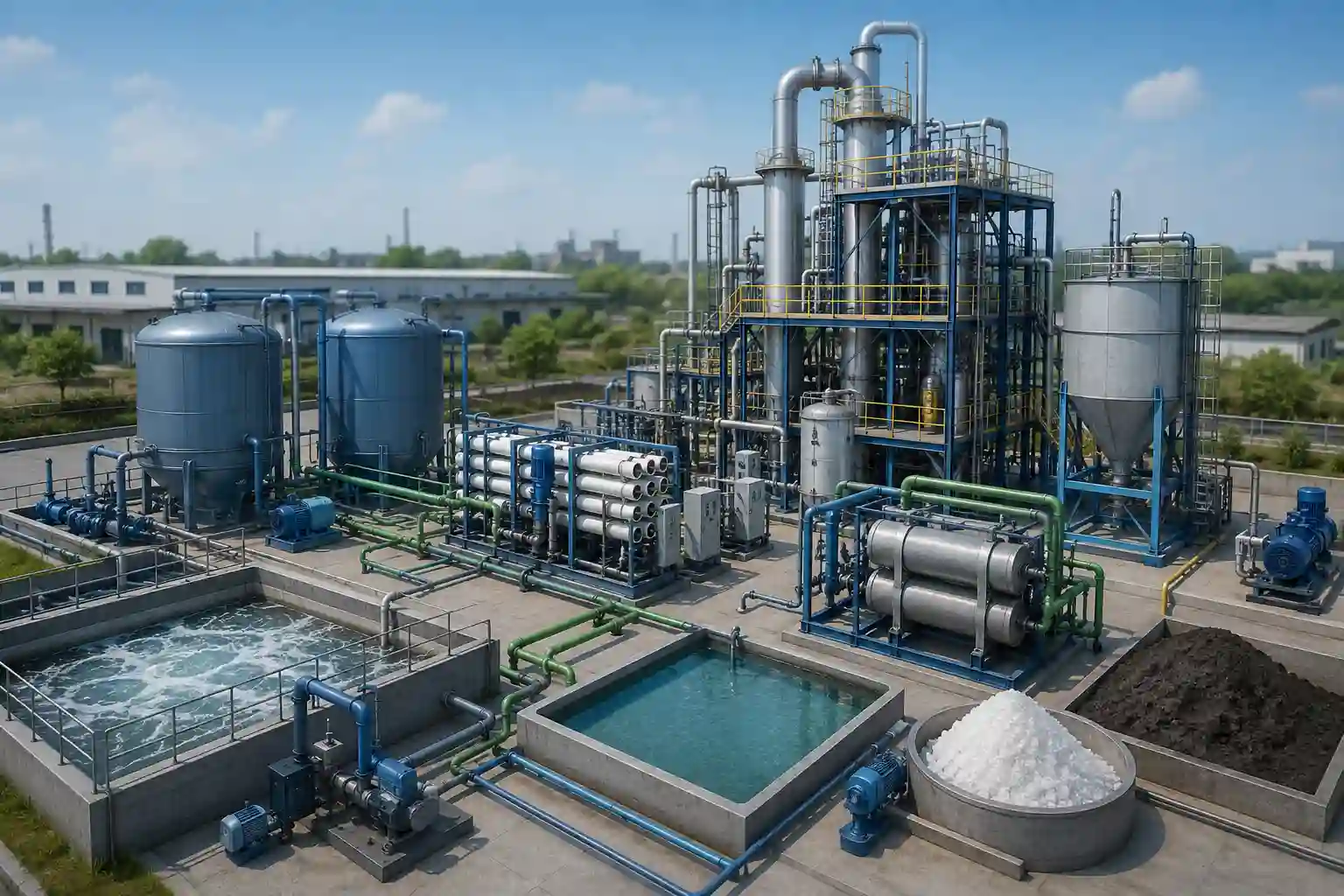
ZLD systems typically integrate ETP, RO, MEE (Multiple Effect Evaporators), ATFD, crystallisers, and sludge management units to ensure complete liquid waste recovery.

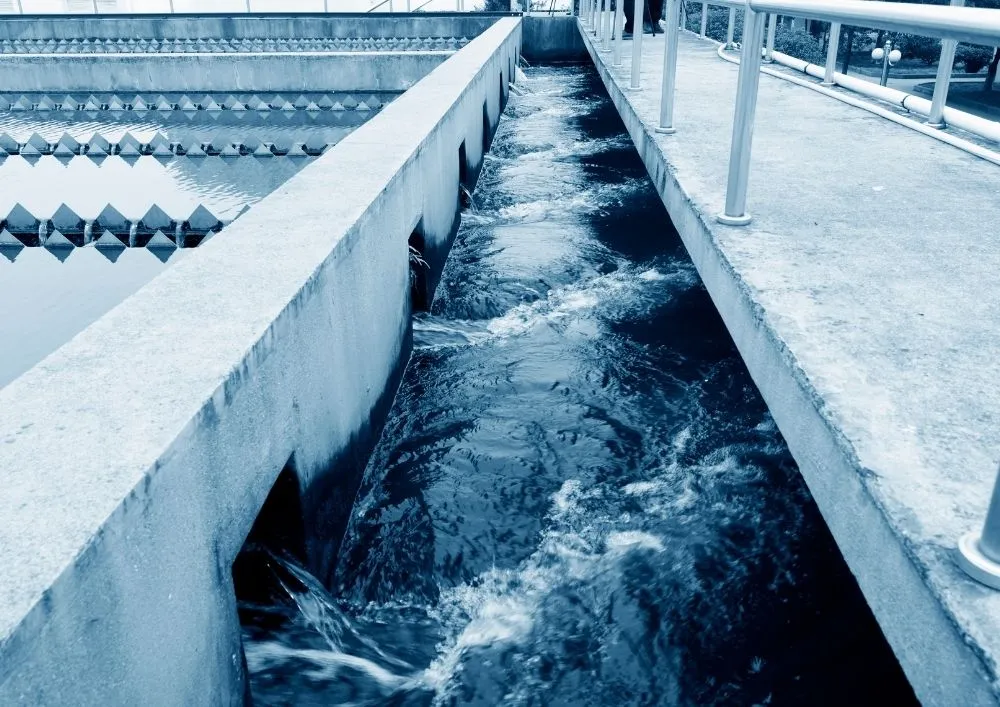
Zero Liquid Discharge (ZLD) industrial wastewater treatment system

When Is ZLD Compliance Mandatory?

ZLD requirements apply to :-

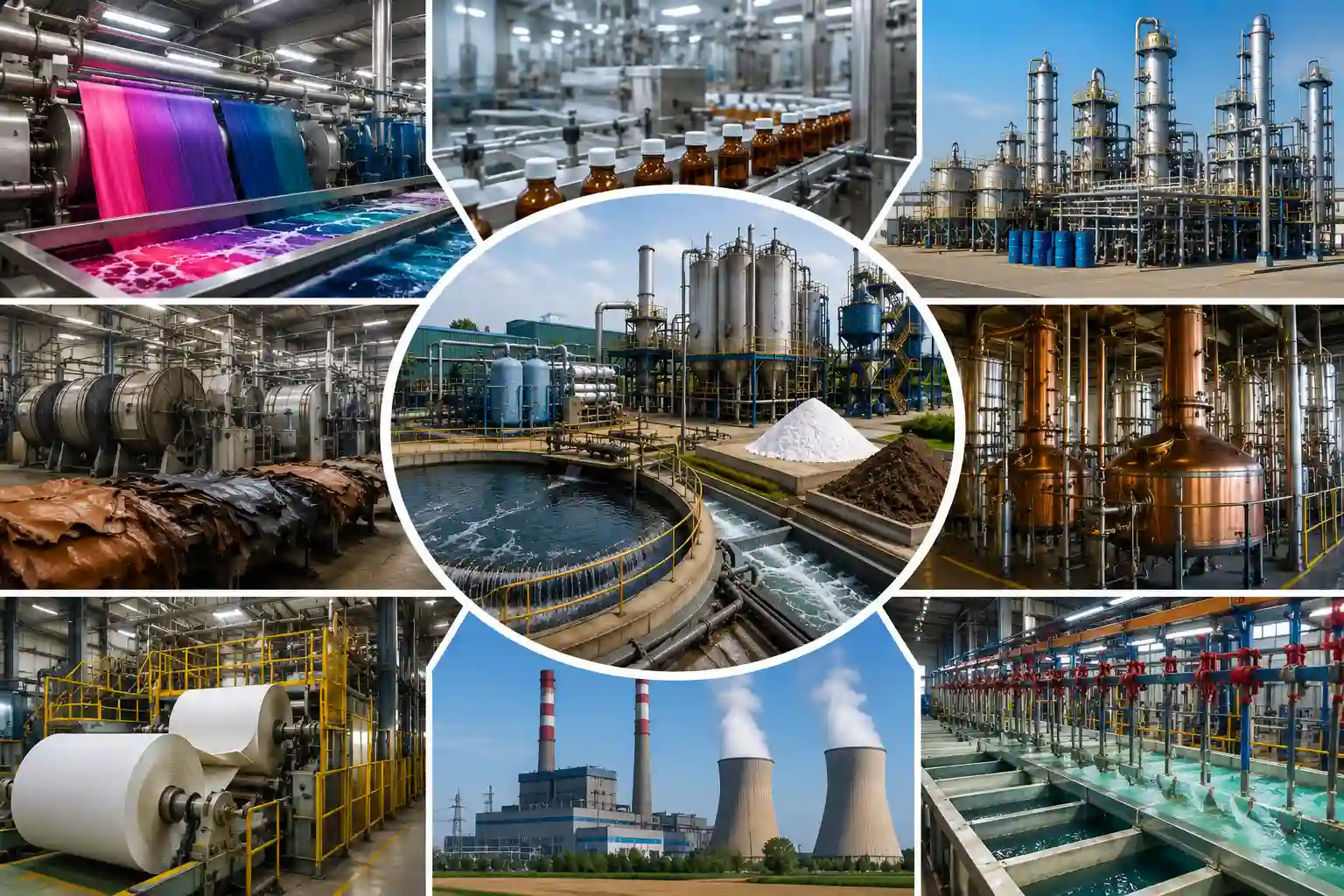
Industries classified as high-pollution or water-intensive (textiles, chemicals, pharmaceuticals, tanneries, distilleries, paper, power plants, etc.)

Units operating in critically polluted areas or water-scarce regions

Projects with ZLD conditions in Environmental Clearance (EC)

Facilities directed by SPCB/CPCB through consent conditions or regulatory orders

Units exceeding prescribed effluent discharge thresholds

Failure to comply may result in closure notices, fines, consent suspension, or legal enforcement.

Industries Commonly Required to Implement ZLD Systems

ZLD requirements are commonly imposed on industries with high wastewater generation, elevated dissolved solids, hazardous contaminants, or significant freshwater dependency.

Industries frequently operating under ZLD obligations include textile dyeing units, pharmaceuticals, bulk drug manufacturing, chemicals, tanneries, distilleries, paper mills, power plants, electroplating facilities, and other high-pollution industrial sectors.

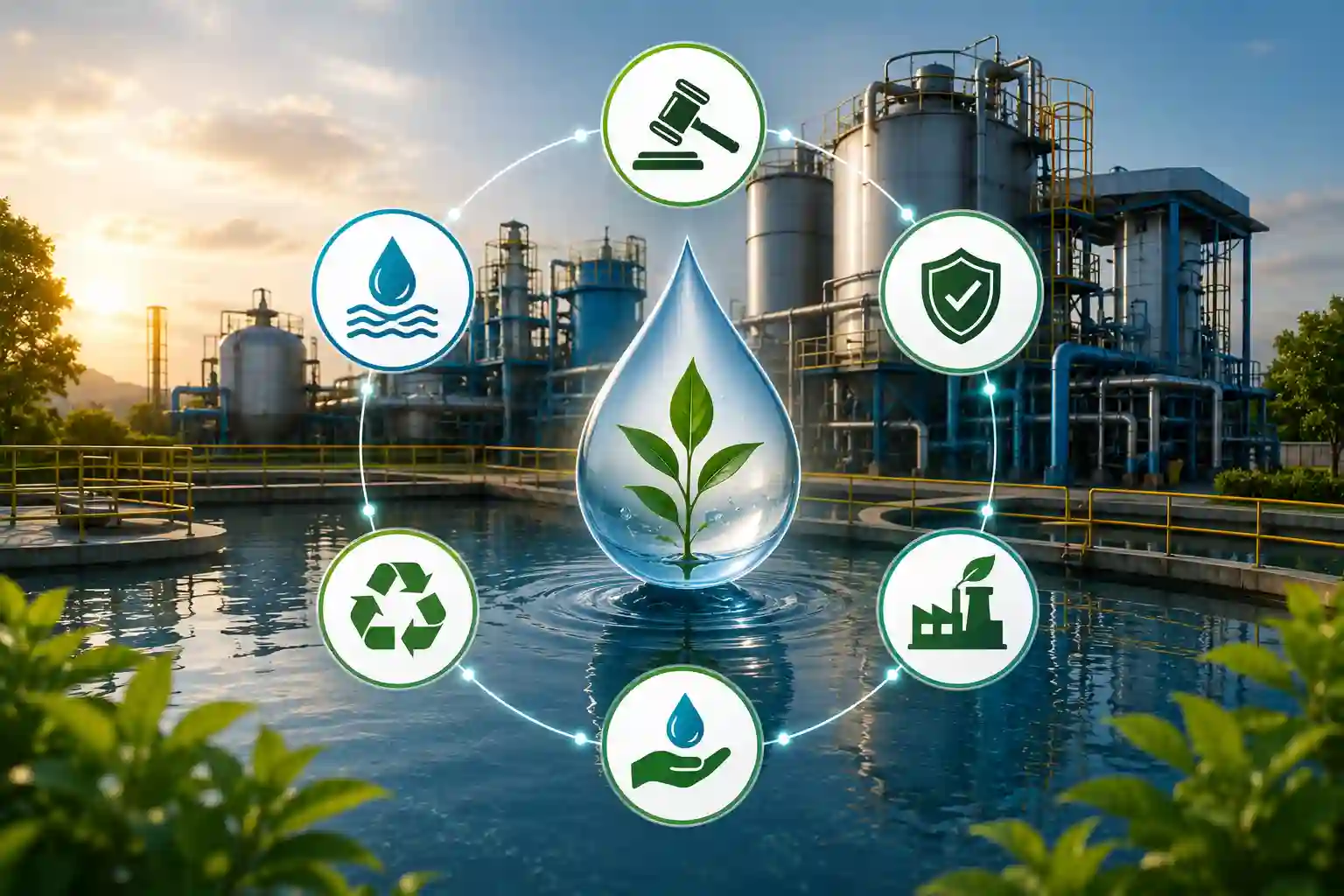
Industries implementing Zero Liquid Discharge (ZLD) systems for wastewater treatment and water reuse
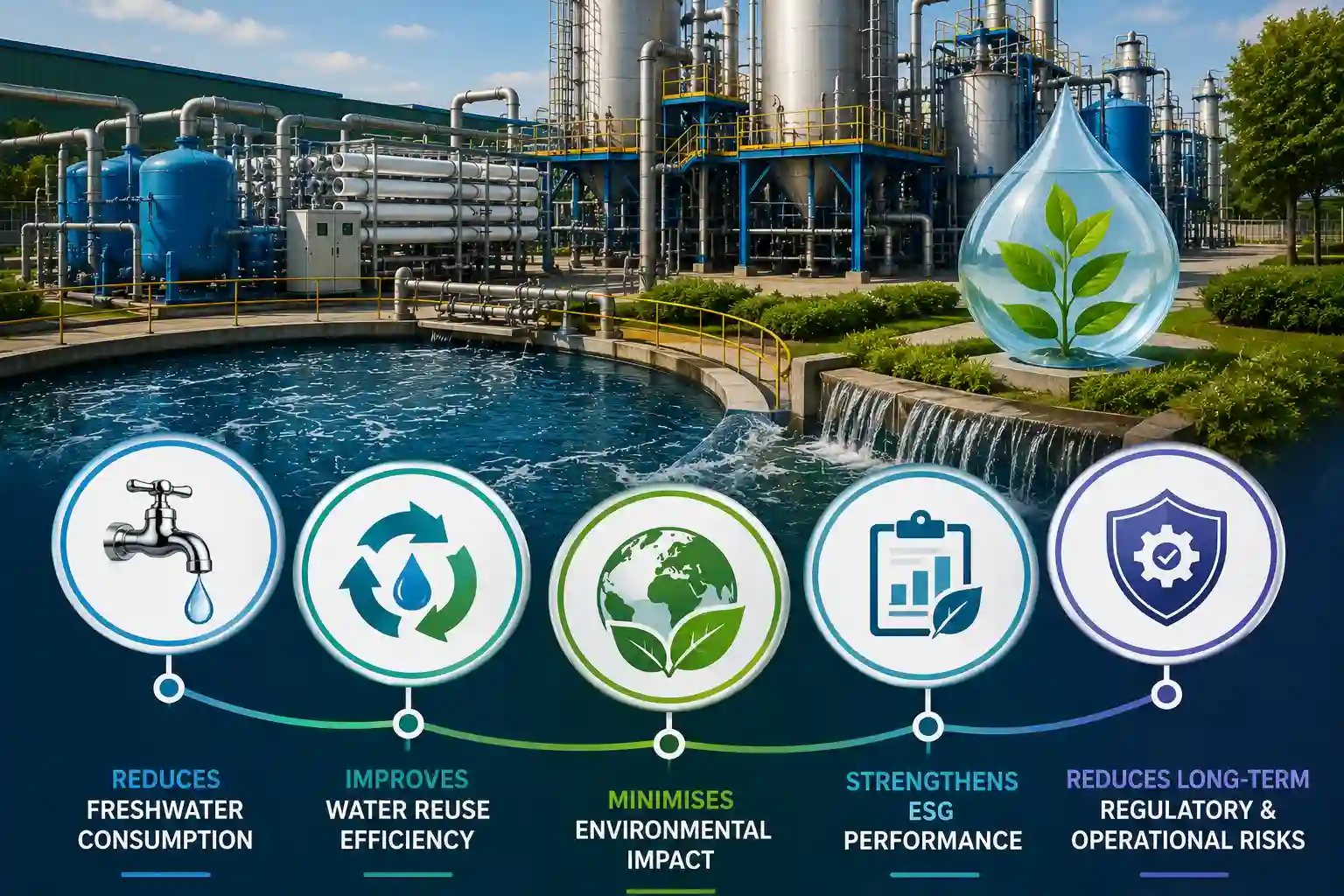
Benefits of Zero Liquid Discharge (ZLD) systems including water reuse and environmental compliance

Benefits of Zero Liquid Discharge Systems

Properly implemented ZLD systems help industries reduce freshwater consumption, improve water reuse efficiency, minimise environmental impact, strengthen ESG performance, and reduce long-term regulatory and operational risks.

Common Challenges in Maintaining ZLD Compliance

Many facilities face operational challenges such as membrane fouling, scaling, evaporator inefficiency, sludge handling complexity, high energy consumption, inconsistent recovery rates, and inadequate monitoring documentation, which may affect long-term ZLD compliance performance.

Key Components of a ZLD System

01

Effluent Treatment Plant (ETP) Optimisation

Pre-treatment and advanced treatment to ensure wastewater is suitable for recovery and reuse.

02

Reverse Osmosis (RO) & Water Recovery Units

Recovery of high-quality treated water for process reuse, cooling, or utilities.

03

Evaporators & Crystallisation Systems

Concentration and solidification of dissolved salts and residual contaminants.

04

Sludge & Solid Waste Handling

Safe management and disposal of salt residues, sludge, and recovered solids through authorised facilities.

05

Treated Water Reuse & Closed-Loop Circulation

Integration of recovered water into industrial processes, utilities, and non-potable applications.

ZLD Performance Monitoring & Compliance Requirements

ZLD systems must demonstrate :-

Zero external liquid discharge

Continuous water balance and recovery tracking

Compliance with PCB consent conditions and EC requirements

Proper handling and disposal of solid residues and salts

Accurate monitoring records, logs, and test reports

Readiness for PCB inspections and environmental audits

Our objective is to help facilities maintain continuous ZLD compliance while improving operational efficiency and regulatory readiness.

ZLD Compliance Services Offered by Simplicomp

01

ZLD System Compliance Assessment

Evaluation of existing treatment systems, recovery efficiency, and regulatory compliance status.

02

Performance Audit & Adequacy Review

Assessment of system capacity, operational performance, and feasibility of upgrades or optimisation.

03

Water Balance & Recovery Efficiency Analysis

Verification of inflow, treatment output, reuse volumes, evaporation losses, and recovery ratios.

04

Monitoring Coordination & Effluent Quality Testing

Coordination of wastewater sampling, laboratory testing, and compliance reporting.

05

Regulatory Documentation & PCB Liaison

Preparation of ZLD compliance reports, technical submissions, regulator responses, and audit documentation.

06

Corrective Action & Optimisation Advisory

Recommendations for technology upgrades, process optimisation, energy efficiency, and cost reduction.

Who Requires ZLD Compliance Support?

ZLD compliance services are applicable to :-

Industrial and manufacturing units with high wastewater generation

Textile processing, dyeing, and chemical industries

Power plants, refineries, and distilleries

Units operating under EC-mandated ZLD conditions

Facilities in water-stressed or environmentally sensitive areas

Any project required to maintain zero liquid discharge under PCB consent

Our goal is first-time approval, zero rejection, and a smooth compliance journey.

Why ZLD Compliance Is Critical

Proper ZLD implementation helps organisations :

Avoid PCB penalties, closure orders, and regulatory enforcement

Prevent surface water and groundwater contamination

Achieve regulatory clearance continuity and legal certainty

Reduce dependence on freshwater intake

Strengthen ESG performance and sustainability credentials

Support long-term water conservation and circular water management

Zero Liquid Discharge (ZLD) compliance supporting water conservation and environmental regulatory compliance

Why Choose Simplicomp for ZLD Compliance?

Simplicomp provides practical and regulator-aligned support for industries operating under Zero Liquid Discharge (ZLD) obligations.

  • Expertise in ZLD regulatory requirements and wastewater technologies
  • Experience across industrial, infrastructure, and high-pollution sectors
  • Regulator-aligned technical audits and compliance documentation
  • Practical, cost-effective optimisation and upgrade recommendations
  • Support for PCB inspections, notices, and compliance verification
  • Reduced risk of non-compliance, fines, or operational disruption
Questions

Frequently Asked Questions (FAQs)

What is Zero Liquid Discharge (ZLD)?
Zero Liquid Discharge (ZLD) is a wastewater management approach where all wastewater is treated, recovered, reused, or evaporated so that no liquid effluent is discharged outside the facility.
Which industries require ZLD compliance?
Industries such as textiles, chemicals, pharmaceuticals, distilleries, tanneries, paper mills, and power plants may require ZLD systems under CPCB/SPCB regulations or EC conditions.
What are the major components of a ZLD system?
Typical ZLD systems include ETPs, RO systems, evaporators, crystallisers, sludge handling systems, and water recovery units.
Why is ZLD compliance important?
ZLD helps industries prevent water pollution, reduce freshwater consumption, comply with environmental regulations, and avoid PCB enforcement actions.
What happens if a facility fails ZLD compliance?
Non-compliance may lead to closure notices, environmental compensation penalties, consent suspension, legal action, and stricter regulatory monitoring.

Need ZLD Compliance Support?

Speak with our environmental compliance experts to assess ZLD obligations, system performance, recovery efficiency, regulatory compliance gaps, and optimisation opportunities for your facility.

Related Compliance Area: Monitoring, Reporting & Audits

ZLD facilities must maintain continuous environmental monitoring, effluent testing, statutory reporting, and regulatory audits to demonstrate compliance with zero-discharge obligations.