
Pollution Control Board Consent (CTE & CTO/CCA) Services in India

Battery Waste Audit Services under Battery Waste Management Rules, 2022

Battery Waste Audit Services under Battery Waste Management Rules, 2022

Battery EPR Compliance and Waste Management Audit Services
With the growing use of lithium-ion batteries, lead-acid batteries, EV batteries, industrial batteries, and consumer electronics, battery waste is emerging as a significant environmental and public health concern. Improper disposal of battery waste can release hazardous substances such as lead, lithium, cadmium, nickel, and corrosive electrolytes, contaminating soil, water, and air.

The Battery Waste Management Rules, 2022 mandate responsible management of waste batteries through Extended Producer Responsibility (EPR), environmentally sound recycling, and strict regulatory compliance.

Simplicomp Tech LLP provides structured Battery Waste Audit services to help producers, importers, manufacturers, brand owners, bulk consumers, recyclers, and battery users verify compliance, assess risks, and implement safe, lawful, and sustainable battery waste management systems.
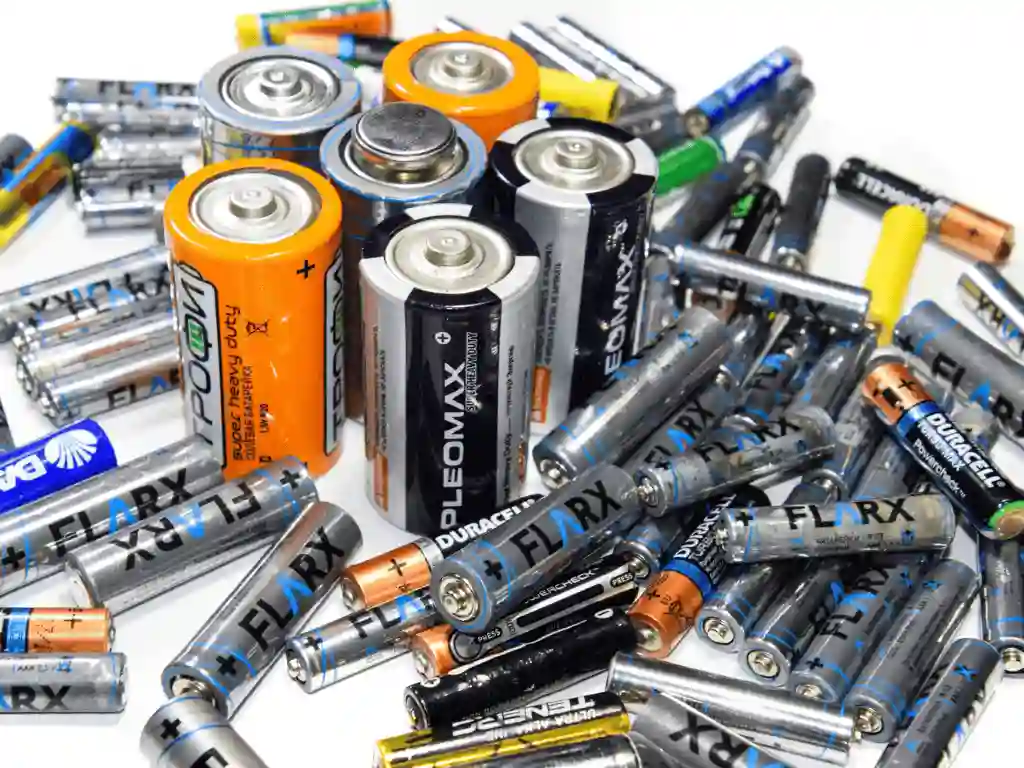

What Is a Battery Waste Audit?

A Battery Waste Audit is a systematic assessment of :-

Types and quantities of batteries used and discarded

Battery waste storage, handling, and disposal practices

Compliance with the Battery Waste Management Rules, 2022

Effectiveness of Extended Producer Responsibility (EPR)mechanisms

Environmental, safety, and legal risks related to battery waste

It ensures organisations move beyond basic compliance toward circular economy and sustainable battery lifecycle management.

Battery Waste Compliance Audit for Industries and Manufacturers

Objectives of a Battery Waste Audit

01 ➜

Identification of Battery Waste Hazards & Risks

Assessing environmental, fire, and occupational risks associated with battery storage, handling, and disposal.

02 ➜

Evaluation of Battery Waste Management Systems

Reviewing collection, storage, transport, recycling, and disposal practices for efficiency and compliance.

03 ➜

Regulatory & EPR Compliance Verification

Ensuring adherence to :-

  • Battery Waste Management Rules, 2022
  • CPCB / SPCB guidelines
  • Extended Producer Responsibility (EPR)targets
  • Producer / importer / bulk consumer obligations
04 ➜

Support for Collection, Take-Back & Recycling Mechanisms

Assessing and strengthening battery collection systems, authorised recycler partnerships, and take-back channels.

05 ➜

Promotion of Waste Reduction & Circular Economy

Identifying opportunities to extend battery life, promote reuse, improve recycling efficiency, and recover valuable materials.

06 ➜

Continuous Improvement & Safer Technology Adoption

Encouraging adoption of safer battery technologies, fire-safe storage systems, and environmentally sound recycling methods.

Scope of a Battery Waste Audit

A Battery Waste Audit typically covers :-

  • Inventory and classification of waste batteries
  • Assessment of collection, storage, and segregation systems
  • Review of EPR registrations and compliance filings
  • Evaluation of authorised recyclers and collection agencies
  • Verification of disposal certificates and recycling records
  • Identification of regulatory gaps and legal risks
  • Recommendations for improved battery reuse, recycling, and sustainability
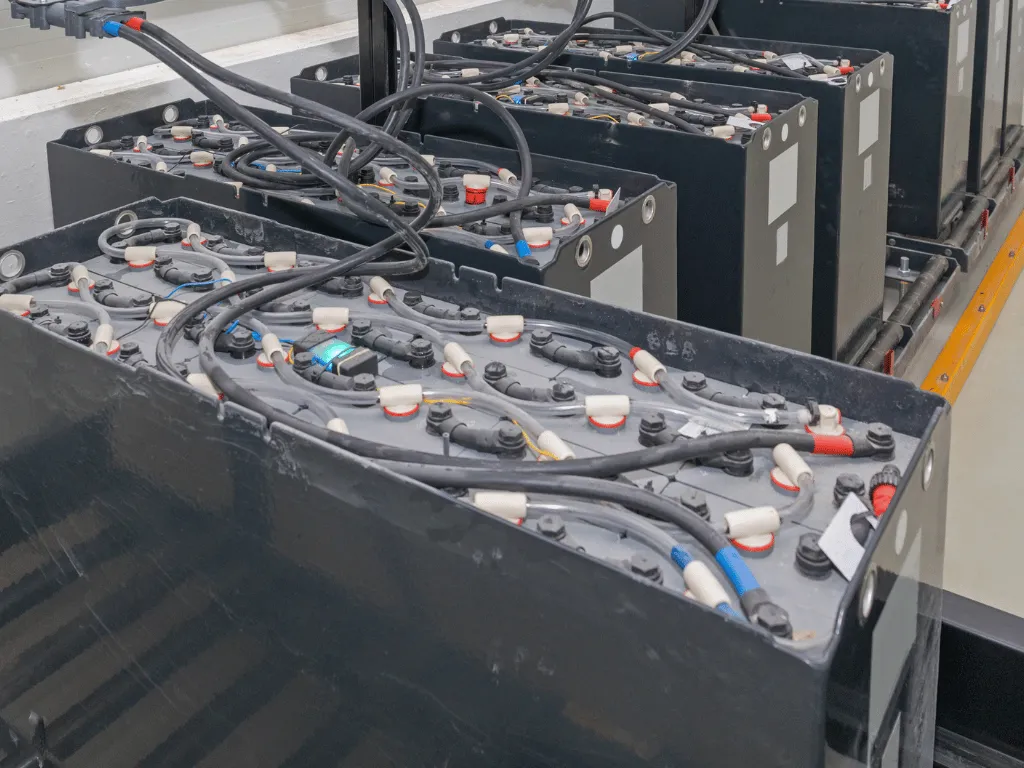
Battery waste storage and compliance audit inspection
Our Company

Frequency of Battery Waste Audits

Organisations are generally expected to conduct Battery Waste Audits annually, ensuring alignment with:-
  • Updated Battery Waste Management Rules, 2022
  • CPCB / SPCB evolving compliance requirements
  • Evolving best practices in battery recycling and circular economy

Battery Waste Audit Process Followed by Simplicomp

01 ➜

Battery Inventory & Waste Stream Mapping

Identification and classification of battery types including portable, automotive, industrial, and EV batteries.

02 ➜

On-Site Inspection & Safety Verification

Assessment of storage areas, fire safety systems, segregation protocols, spill prevention, and handling practices.

03 ➜

Compliance & EPR Documentation Review

Verification of :-

  • CPCB Battery EPR registration
  • Collection and recycling records
  • Recycler authorisations and agreements
  • Regulatory filings and portal submissions
04 ➜

Gap Analysis & Risk Identification

Identification of non-compliance gaps, fire hazards, environmental risks, and operational deficiencies.

05 ➜

Corrective Action & Sustainability Recommendations

Providing actionable guidance for compliance improvement, safer storage, and enhanced recycling performance.

06 ➜

Audit Reporting & Compliance Roadmap

Issuance of a structured Battery Waste Audit Report with findings, compliance status, and improvement plan.

How Simplicomp Supports Battery Waste Audits

Simplicomp Tech LLP provides end-to-end support including :-

Detailed assessment of battery usage and waste generation

Audit reports aligned with Battery Waste Management Rules, 2022

Advisory on EPR compliance and collection target fulfilment

Support for recycler tie-ups and regulatory documentation

Guidance on safe storage, fire risk mitigation, and transport compliance

Periodic audits and long-term compliance tracking

Why Choose Simplicomp for Battery Waste Audits?

  • Expertise in Battery Waste Rules 2022 & EPR compliance
  • Experience across EV, electronics, automotive, manufacturing, and industrial sectors
  • Practical, regulator-aligned audit methodology
  • Actionable recommendations for safety, compliance, and sustainability
  • Trusted environmental compliance partner across India
Industrial battery waste management compliance assessment
Our Company

Relationship with Waste & Compliance Services

E-Waste Audits complement :-
  • E-Waste Audit
  • Hazardous Waste Audit
  • Annual Environmental Statement (Form V)
  • Waste Management & EPR Services
  • Environmental Audits

Documents Reviewed During Battery Waste Audit


  • Battery EPR registration
  • CPCB portal filings
  • recycler agreements
  • collection records
  • waste inventory logs
  • disposal certificates
  • fire safety records
  • storage inspection reports
  • transporter authorisations
Questions

Have any questions?

What is a Battery Waste Audit?
A Battery Waste Audit is a systematic assessment of battery waste generation, storage, recycling, disposal practices, and compliance with Battery Waste Management Rules, 2022.
Who requires Battery Waste Audit services?
Battery producers, importers, manufacturers, EV companies, industrial facilities, bulk consumers, recyclers, and electronics-related businesses may require Battery Waste Audit services.
What are Battery Waste Management Rules, 2022?
Battery Waste Management Rules, 2022 regulate collection, recycling, refurbishment, disposal, and Extended Producer Responsibility (EPR) obligations for battery waste in India.
What is EPR in Battery Waste Management?
Extended Producer Responsibility (EPR) requires battery producers and importers to ensure environmentally sound collection, recycling, and disposal of waste batteries.
Why are Battery Waste Audits important?
Battery Waste Audits help organisations reduce environmental risks, improve recycling efficiency, ensure EPR compliance, strengthen fire safety practices, and prevent regulatory penalties.

Need Battery Waste Audit Support?

Speak with our environmental compliance experts to conduct Battery Waste Audits, EPR compliance assessments, and battery lifecycle risk reviews for your organisation.

Form